How Transport Works in Europe (Complete Overview)
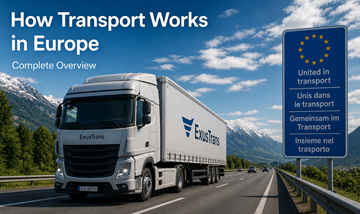
Whether you are a private person sending goods, a company shipping products, or a carrier providing transport services, understanding how transport works in Europe helps you reduce costs, avoid delays, and choose the best transport solution.
What Is Transport in Europe?
Transport in Europe refers to the movement of goods and cargo between cities, regions, and countries using different transport modes. The European logistics system connects manufacturers, warehouses, distribution centers, and customers through a highly developed infrastructure.
- Road transport (trucks, vans, courier vehicles)
- Rail transport (cargo trains across countries)
- Sea transport (ports and container shipping)
- Air transport (fast international delivery)
- Multimodal transport (combination of transport types)
Road transport is the most commonly used method in Europe because it offers flexibility, speed, and door-to-door delivery.
Step-by-Step: How Transport Works in Europe
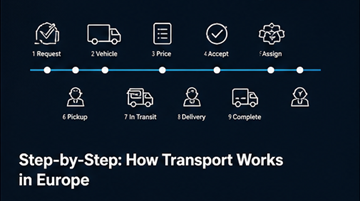
Transport in Europe follows a structured process that ensures goods move efficiently from sender to receiver. Whether you are shipping a single pallet or managing large-scale logistics, the steps are generally the same. Modern digital platforms simplify this workflow by automating communication, pricing, and tracking.
- Customer creates a transport request (pickup and delivery locations)
- Transport type and vehicle are selected (van, truck, etc.)
- Price is calculated or negotiated
- Carrier accepts the transport order
- Driver is assigned and route is planned
- Goods are picked up from the sender
- Transport is executed across regions or borders
- Goods are delivered to the receiver
- Confirmation and documentation are completed
Each of these steps can be managed manually or through logistics platforms like ExusTrans, where customers, carriers, and drivers communicate in real time and ensure smooth delivery.
Transport Without Borders: The EU Advantage
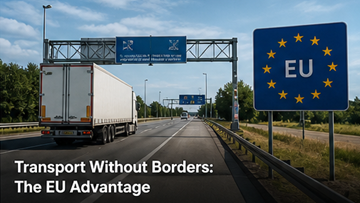
One of the biggest advantages of transport in Europe is the EU single market. In most cases, goods can move freely between EU countries without customs checks or import duties.
- No customs between EU member states
- Faster delivery times
- Simplified documentation
- Lower administrative costs
However, when transporting goods to or from non-EU countries (like the UK, Switzerland, or Turkey), customs procedures and additional documentation are required.
Main Transport Types in Europe
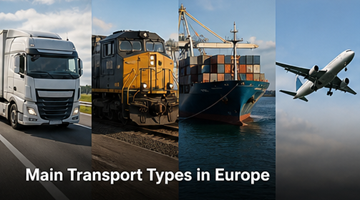
Choosing the right transport type depends on the size, urgency, and nature of the shipment.
- Express transport – fastest delivery, direct route
- FTL (Full Truck Load) – entire truck reserved for one shipment
- LTL (Less Than Truck Load) – shared transport with multiple shipments
- Groupage transport – combined smaller shipments
- Distribution transport – multi-stop deliveries
Each transport type has different pricing, delivery speed, and efficiency depending on the situation.
How Transport Pricing Works
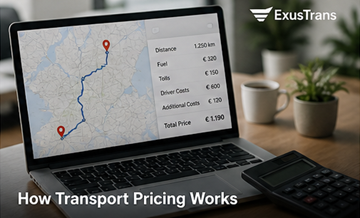
Transport pricing in Europe is usually based on distance, vehicle type, urgency, and additional costs.
- Distance (kilometers between pickup and delivery)
- Vehicle type (van, truck, trailer)
- Urgency (express vs standard delivery)
- Fuel and operational costs
- Tolls, ferries, and road taxes
- Extra services (waiting time, customs, handling)
In modern systems, pricing can be automatically calculated or negotiated between customers and carriers.
Documents Required for Transport
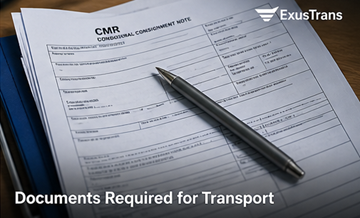
Transport in Europe requires proper documentation to ensure legal compliance and smooth delivery.
- CMR document (international road transport contract)
- Invoice or commercial document
- Packing list
- Customs documents (for non-EU transport)
- ADR documents (for dangerous goods)
Digital documents such as e-CMR are becoming increasingly popular, allowing faster and paperless logistics processes.
Tracking and Communication
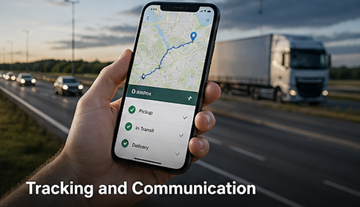
Modern transport systems provide real-time tracking and communication between all parties involved.
- Live GPS tracking of vehicles
- Direct chat between customer and driver
- Status updates (picked up, on the way, delivered)
- Push notifications and alerts
This transparency improves reliability and reduces misunderstandings during transport.
Challenges in European Transport
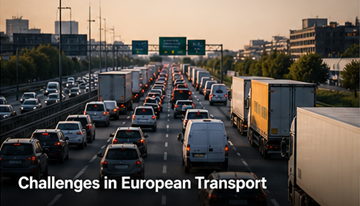
Despite its efficiency, transport in Europe also faces several challenges that impact delivery times and costs.
- Traffic congestion in major cities
- Driver shortages across Europe
- Fuel price fluctuations
- Different national regulations
- Environmental restrictions such as low emission zones
Efficient planning and modern logistics platforms help overcome these challenges and improve overall performance.
Future of Transport in Europe
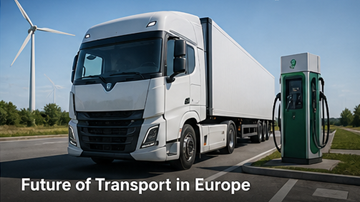
The European transport sector is evolving rapidly with new technologies and sustainability goals.
- Electric and low-emission vehicles
- Digital logistics platforms
- Automation and AI route optimization
- Smart logistics hubs
- Green transport initiatives
These innovations aim to make transport faster, more efficient, and environmentally friendly.
Conclusion
Transport in Europe is a complex but highly efficient system that connects countries, businesses, and people. Understanding how it works helps you reduce costs, avoid delays, and choose the best logistics solution.
FAQ: How Transport Works in Europe
Is transport between EU countries really without customs?
Yes, in most cases goods move freely between EU countries without customs checks or duties. However, proper invoices and documentation are still required.
What is the most common transport method in Europe?
Road transport using trucks and vans is the most common because it offers flexibility and door-to-door delivery.
How long does transport take in Europe?
Delivery time depends on distance and urgency. Express transport can take 1–2 days, while standard transport may take several days.
What is a CMR document?
CMR is an international transport document used in road freight. It serves as a contract between the sender, carrier, and receiver.
Can I track my shipment in real time?
Yes, modern transport platforms provide GPS tracking, live updates, and communication tools.
What affects transport price the most?
The main factors are distance, vehicle type, urgency, and additional costs like tolls and waiting time.
Do I need customs documents for UK or Switzerland?
Yes, transport to or from non-EU countries requires customs declarations and additional documentation.
Is digital CMR legally valid in Europe?
Yes, e-CMR is legally recognized in many European countries and is increasingly used for paperless transport.
eXus Dev